Under a strict test of named operator, stated blockchain purpose and public description, the clearest CubeSat example of a cubesat blockchain project is the Qtum and SpaceChain CubeSat. Two others are a university design study and a non-CubeSat broadcast service.
This roundup sits inside our wider crypto satellite coverage. For the engineering side, how to build a crypto satellite is the companion read, and readers new to the term can start with what is cryptosat.
How the projects are chosen and ordered
A project enters this list only if a public description names its operator and its blockchain purpose. Company announcements, established press coverage and academic repository records all count. The ordering follows fit with the topic rather than performance, because none of the entries reports measured results from orbit.
- Closest match first: a project that puts blockchain software on a CubeSat comes before one that only proposes a design.
- Neighbours last: a blockchain service that uses satellites of a different class is included for context and labelled as such.
- Experiment or product: each entry says whether it is a demonstration, a design study or a running service.
CubeSat basics for reading these projects
NASA describes CubeSats as a class of nanosatellites that use a standard size and form factor. The basic unit, 1U, measures 10 x 10 x 10 cm, and the design extends to 1.5, 2, 3, 6 and 12U. That fixed envelope limits how much hardware a blockchain payload can carry. Keep it in mind when reading the entries below, which describe small hardware such as the Raspberry Pi device in the Qtum report.
ESA notes that a CubeSat tends to be between 2 and 16 units, resulting in a mass of just 3–32 kg. ESA also says CubeSats are now commonly used in low Earth orbit for remote sensing, space weather and communications. Blockchain payloads are therefore a niche use of a hardware class that is mostly used for other missions, which matters when a project calls itself an experiment.
Documented projects
Three entries meet the test. Two are CubeSat projects, and one is a non-CubeSat service that shows the ground side of the same idea.
Qtum and SpaceChain CubeSat
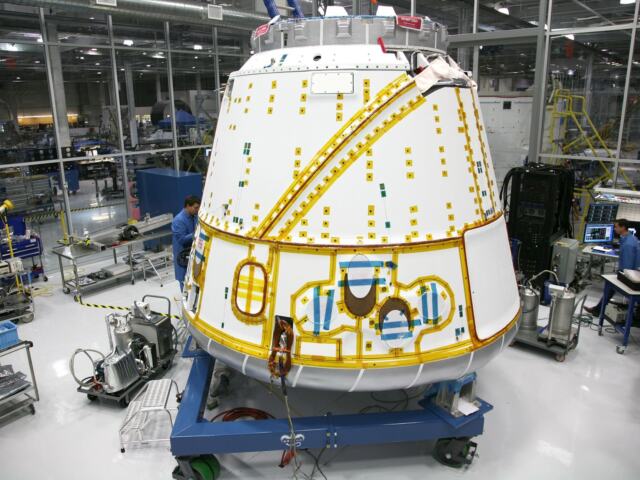
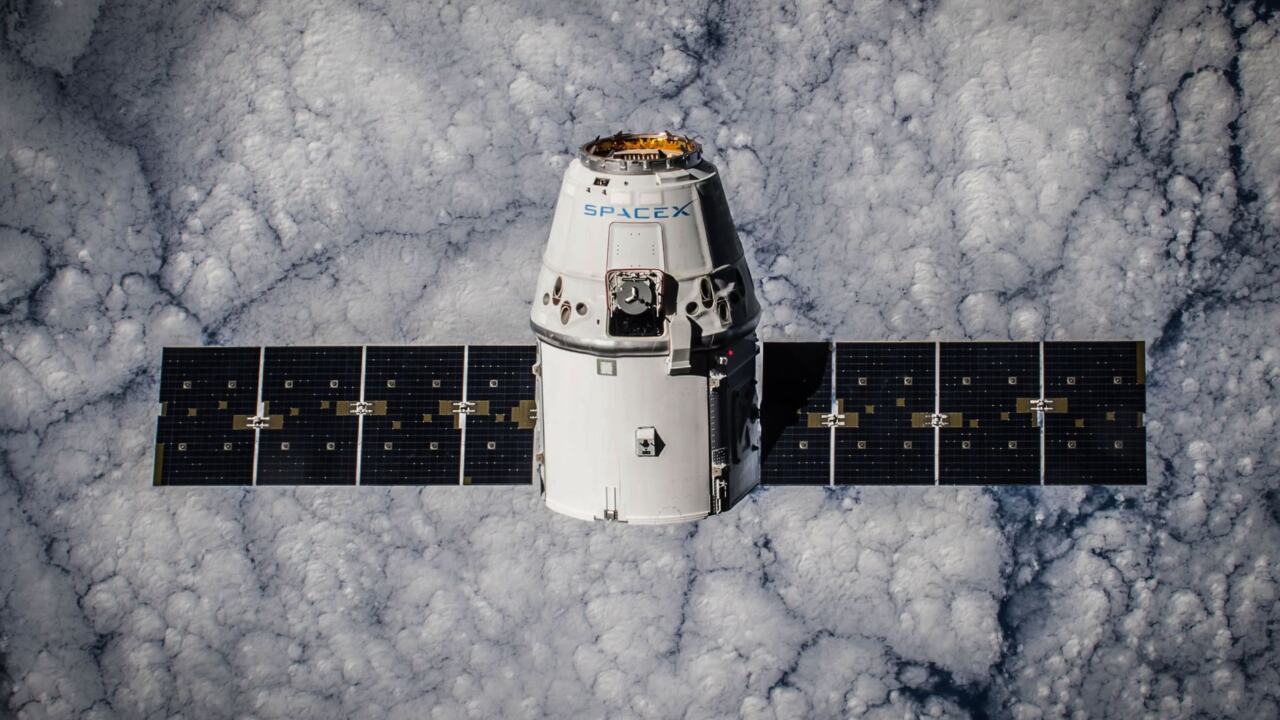
Satellite Today reported on Feb 8, 2018 that the Qtum Foundation announced a collaboration with the SpaceChain Foundation to launch a standardized CubeSat. The satellite was to carry Qtum blockchain software running on a Raspberry Pi device. The coverage presents the launch as offering energy savings and a cheap hardware platform.
This entry suits readers who want the clearest CubeSat example of blockchain software on board. Its stated aim is to lower the cost of industrial blockchain usage and support wider adoption, so it reads as a technology demonstration rather than a consumer service. The reporting does not give a launch date, rocket or orbit, so confirm those in launch records before describing the satellite as operating.

Southern Illinois University thesis on CubeSat mining
A Master of Science thesis in Computer Science at Southern Illinois University Carbondale, with a Date of Award of 8-1-2022, sets out to explore the application of CubeSats towards mining of Cryptocurrencies using a sustainable energy source. The author proposes an architectural layout for a CubeSat node with a solar-to-electricity design, which is the part a reader can examine on paper.
This is a design study, not a flown mission. It suits students and engineers who want a worked architecture to critique. It should not be cited as evidence that any satellite has mined cryptocurrency, because the record describes a proposal.
Blockstream Satellite (adjacent, not a CubeSat)
Blockstream broadcasts the Bitcoin blockchain around the world 24/7 for free. Its satellites are geosynchronous, orbiting at an altitude of 35,786 km (22,236 mi), far above the low Earth orbit where CubeSats are commonly used. It belongs beside the CubeSat projects only as a comparison point. Unlike the other two entries, it is a running service rather than an experiment.
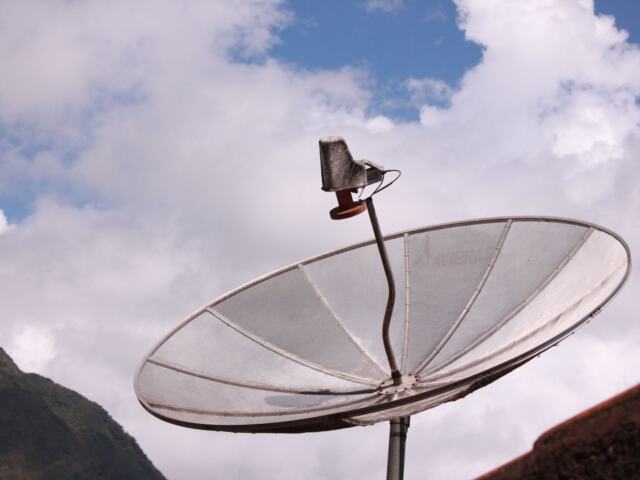
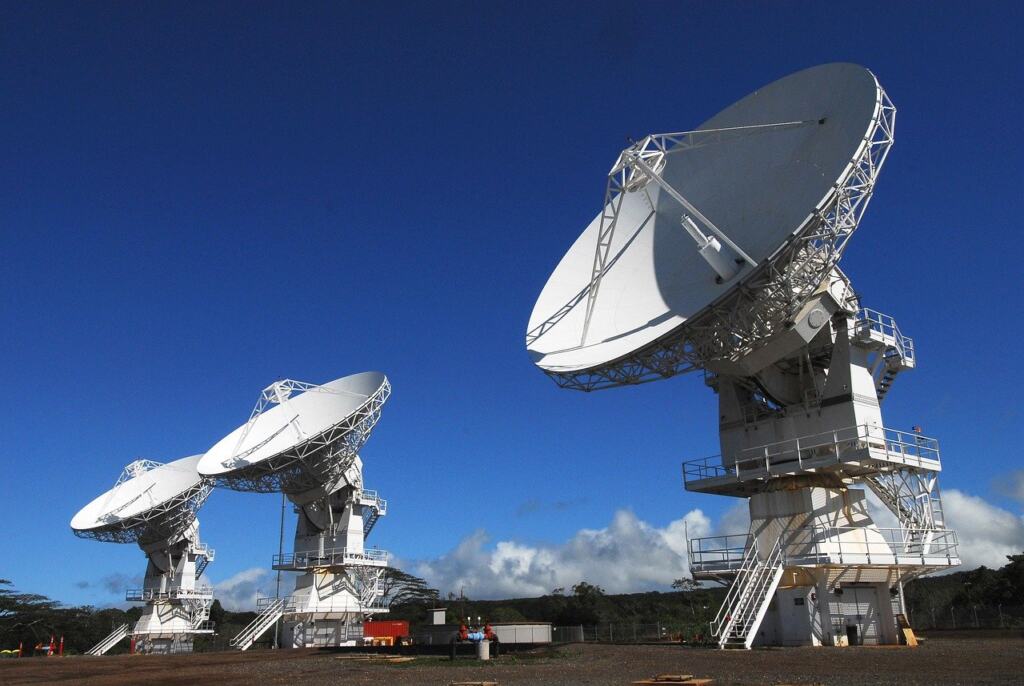
Its ground stations, known as teleports, participate in the Bitcoin network and transmit blocks up to the satellites. That makes it the clearest documented case in this roundup of a ground station feeding blockchain data into orbit, and a useful reference for the ground half of any orbital blockchain link.
Why test blockchain in orbit
The stated reasons are practical. Qtum’s backers pointed to energy savings and a cheap hardware platform, and they hoped to lower the cost of industrial blockchain usage. The thesis aims at mining with a sustainable energy source. Blockstream’s service is built around reach: a free broadcast that the public can pick up on modest equipment.
These goals describe motivations and designs. None of the three entries reports performance data from orbit in the sources cited, so treat the savings and reach described as intentions until a mission publishes its own figures.
Comparing the CubeSat projects
| Project | Operator | Orbit and form factor | Status | Stated goal | Planning use |
|---|---|---|---|---|---|
| CubeSat mining design | Southern Illinois University Carbondale (Master of Science thesis) | CubeSat node design; not flown | Design proposal, not a flown mission | Mine cryptocurrency with a sustainable energy source | Architecture to critique |
| Blockstream Satellite | Blockstream | Geosynchronous at 35,786 km (22,236 mi); not a CubeSat | Running broadcast service, 24/7 | Free broadcast of the Bitcoin blockchain | Reference for the ground side |
Figures come from the Southern Illinois University thesis record and Blockstream’s satellite page, with the Qtum details taken from Satellite Today’s report.
Choosing between the entries
- For a hardware example: the Qtum entry is the one that names a satellite hardware platform, a Raspberry Pi device, but confirm its launch record before citing it as flown.
- For a design to study: the thesis sets out a CubeSat node architecture with a solar-to-electricity design, which suits engineers reviewing assumptions rather than readers who need a working service.
- For a running blockchain service: Blockstream is the only documented service here. It is useful for the ground-station side, but it does not use CubeSats.
- When to wait: if you need measured in-orbit results, none of the three entries supplies them in the sources cited, so wait for a mission to publish its own data.
Checks before citing a project
- Confirm the operator. Match the organisation named in an announcement with the one in the record, as the Qtum and SpaceChain foundations are named in the 2018 coverage.
- Confirm the launch. Look up the rocket, date and orbit, because the coverage cited here gives none of them for the Qtum satellite.
- Check the form factor. Compare the stated size with NASA’s unit system, where 1U measures 10 x 10 x 10 cm, before accepting the CubeSat label.
- Separate goal from result. Record the stated aim, such as lower cost or energy savings, and note that none of these sources reports a measured outcome.
Frequently asked questions
What do you need to receive Blockstream’s broadcast?
Blockstream says anyone in the coverage area with a small satellite antenna and an inexpensive USB receiver can receive the blocks.
How do CubeSats usually reach orbit?
ESA says CubeSats tend to hitch a ride using extra space available on rockets, and they are deployed from a standard container by a spring system.
How does the Qtum network verify transactions?
Satellite Today reports that Qtum uses a form of Point of Sale, a Proof-of-Stake method, for its transaction verifications.