Quick answer: how to build a crypto satellite starts with a standard CubeSat, not a blockchain. Prototype the software on the ground, then put your effort into radiation-tolerant hardware, power, launch and a ground link.
This roadmap sits inside our wider crypto satellite coverage. It separates what published figures document from what is still design speculation, so you can decide how far to go before spending on hardware.
Choose your starting point
Your goal decides the first purchase. Three realistic paths exist, and they differ more in risk than in software.
- Learning or demonstration: build a ground-based prototype. It tests the code and interface without any flight constraints.
- Hardware experience on a small budget: a PocketQube-style kit gives a complete beginning-to-end project at hobby scale.
- Actual flight in the CubeSat standard: design to the CubeSat unit sizes and mass limits from day one, because everything else is sized around them.
| Path | Documented figures | Planning use |
|---|---|---|
| Ground educational prototype | An ESP8266 board runs as a WiFi access point with an onboard web server. The 1U-style SALGSAT weighs roughly 590 g on the ground and is not intended for flight. | Test software and the user interface before buying flight hardware. Do not treat it as a flight design. |
| PocketQube kit project | The kit with most satellite parts costs around $6,000. A beginning-to-end project costs about $35,000 according to the developers (2015 article). Kit shipping takes 12 to 16 weeks. | A hobby-scale budget indicator and lead-time warning. It is not a quote for a CubeSat launch. |
| 1U CubeSat | 10 cm per side, with a typical mass limit of about 2 kg under the CubeSat Design Specification. | Sets the mass and volume budget for the computer, battery, radio and any blockchain payload. |
Figures come from an educational CubeSat project write-up and a 2015 Network World article quoting the PocketQube developers.
CubeSat size and low Earth orbit
A CubeSat is built in multiples of a 1U cube that measures ten centimetres on each side, and a typical 1U is limited to about 2 kg under the widely adopted CubeSat Design Specification. A 3U CubeSat measures 10×10×34 cm and weighs about 4 kg, according to a small-satellite build guide.
Choose 1U only if the payload, computer, battery and radio all fit inside the smaller mass allowance. Choose 3U when you need the larger allowance and more room for a battery and electronics.
Most small satellites fly in low Earth orbit, and altitude sets how long the mission lasts. The same guide notes that a 3U CubeSat at ISS altitude decays about 1 km per month without reboost. Fix the target orbit early, because decay, eclipse time and radiation exposure all follow from it.
Flight computer and blockchain software
A CubeSat can run blockchain software only as far as its flight computer survives orbit. On the bench, a cheap board is enough: the ESP8266 educational platform operates as a standalone WiFi access point with an onboard web server, so software behaviour can be tested without a network connection.
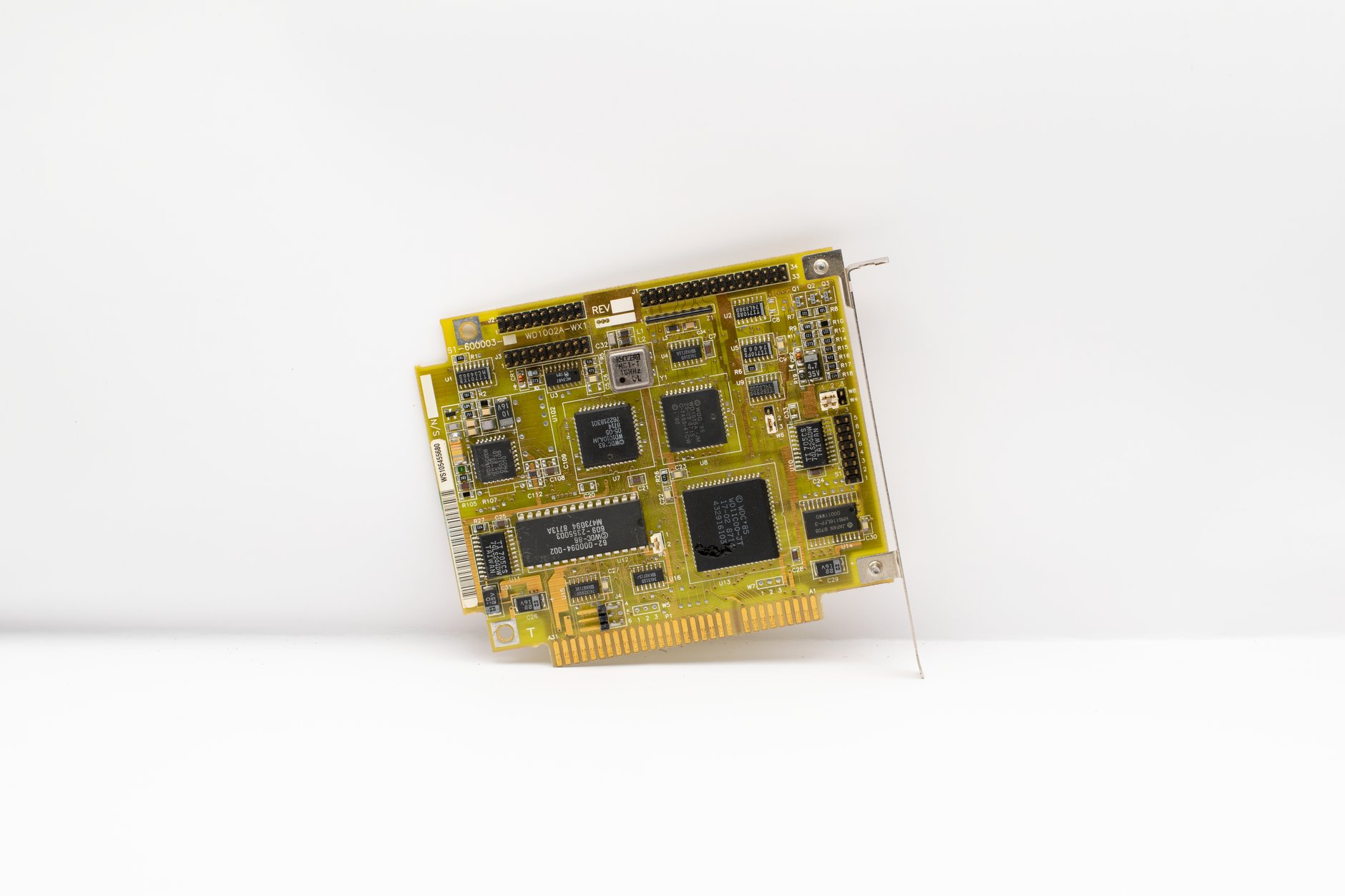
Orbit is a different test. Low Earth orbit delivers a total ionizing dose of 10–100 krad(Si) over a three-year mission, according to the build guide’s radiation table. That table lists the Raspberry Pi CM4 at under 5 krad(Si), not immune to single-event latchup and suitable for ground testing only. It lists the Vorago VA10820, an ARM Cortex-M0 part, at 300 krad(Si) and latchup immune, as a primary onboard computer.
The practical design choice follows. Put a radiation-tolerant computer in charge of the flight, and treat any heavy blockchain workload as a separate, optional payload that may fail without losing the satellite. A full node on a Pi-class board falls below the expected dose range, so it is a design hypothesis rather than a proven approach. Named missions and their approaches are collected under cubesat blockchain projects. If your aim is only to receive or send blockchain data through space without building hardware, the blockstream satellite api is the simpler route.
Power and batteries
Power design is driven by eclipse. At 600 km in a sun-synchronous orbit, low Earth orbit eclipse lasts up to 35 minutes, per the same build guide, so the battery must carry every load through that gap.
Battery choice is a documented failure point. The amateur $50SAT, reported in March 2015 as having a 15-month orbit, experienced premature battery deterioration that caused orbit decay, as Network World described. Budget time for battery testing rather than assuming a hobby cell will do.
Launch loads, rideshare and cost
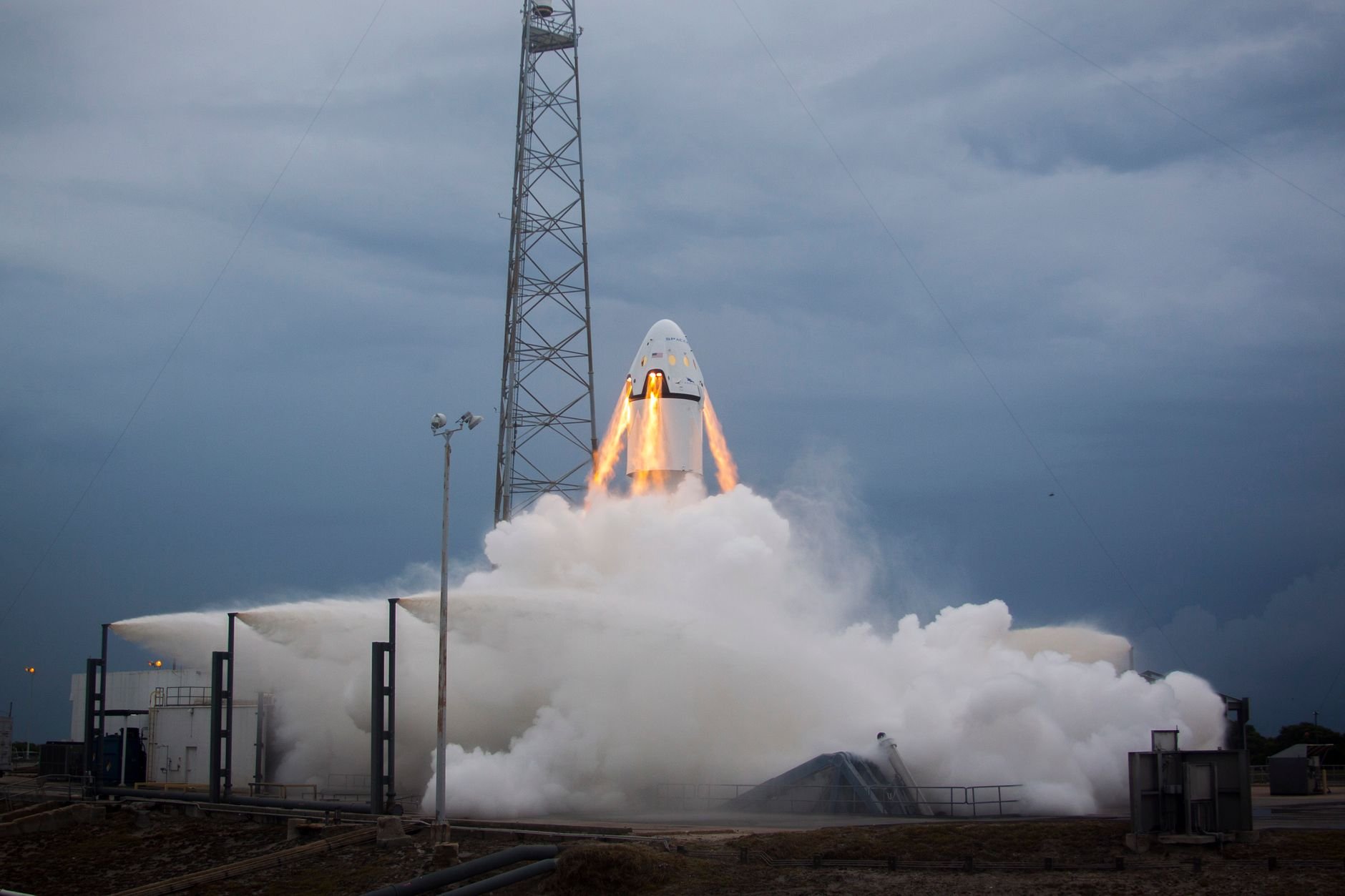
A small satellite usually reaches orbit on a rideshare launch, sharing a rocket with other payloads, and it must survive the ride. Quasi-static launch loads reach 6–12 g axial plus 3–6 g lateral, according to the build guide, so vibration and load testing belongs before delivery to the launch provider.
On cost, the only documented total for a complete small-satellite project here is a PocketQube figure. The developers put a beginning-to-end project at around $35,000 in a 2015 article, with a piggy-back launch included in that total. Use it as an order-of-magnitude indicator for hobby scale only. A CubeSat rideshare is priced by the launch provider, so request current quotes for your unit size and mass before fixing a budget.
Build roadmap from concept to operations
Work in this order, and do not buy flight hardware until the earlier steps pass.
- Define the purpose. Write down what the blockchain element actually does and whether it needs to fly.
- Prototype on the ground. Run the software on an educational platform and fix interface problems on the bench.
- Select the form factor. Fit 1U or 3U to the mass and volume you need.
- Pick flight-grade parts. Choose a radiation-tolerant computer and a vacuum-qualified battery.
- Test for launch. Vibration and load testing comes before delivery.
- Book the rideshare. Match the satellite to the provider’s requirements.
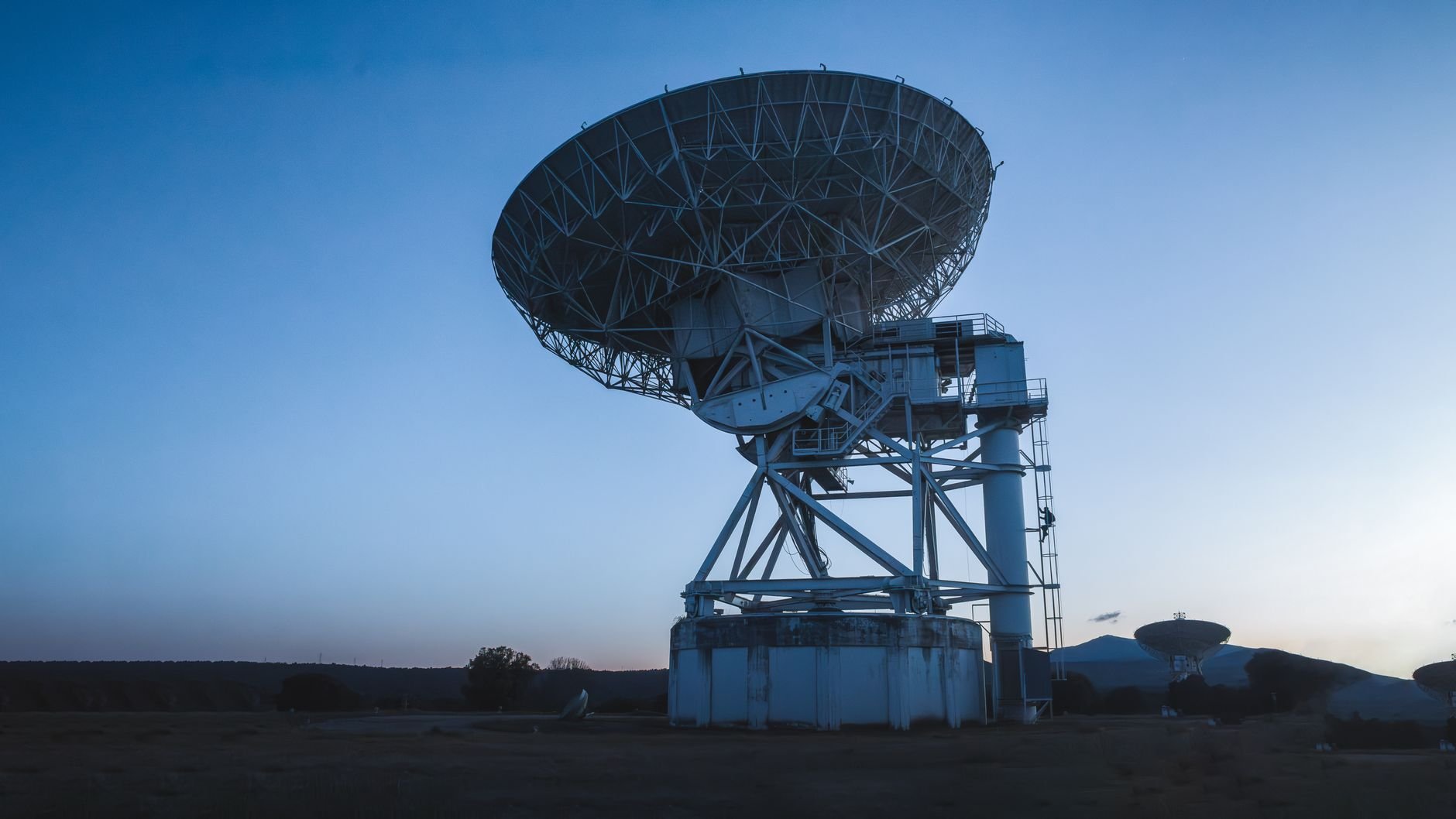
- Prepare the ground link. Set up the antenna and software that will talk to the satellite.
Documented lead times apply to individual steps rather than a whole project. PocketQube kit shipping alone runs 12 to 16 weeks, so order long-lead items first and let the launch slot set the final schedule.
What is documented and what is speculative
Separating the two keeps the budget honest.
- Documented: CubeSat unit sizes and typical mass limits, launch load ranges, eclipse duration at 600 km, the radiation dose range in low Earth orbit, component radiation ratings, and a 2015 PocketQube project cost.
- Documented but not for flight: the ESP8266 educational satellite, which is a ground-based platform.
- Speculative: a full blockchain node running on a consumer-grade board in orbit, and any launch price for a crypto-specific CubeSat. Neither follows from the figures above.
Troubleshooting common build problems
- Works on the bench, resets in testing: check whether the computer is rated for orbit. A Pi CM4 is listed for ground testing only and is not latchup immune.
- Battery concerns: commercial 18650 cells have vents designed for 1 atm. Qualify the cell for vacuum before it goes near the flight unit.
- Mass over budget: compare the total against about 2 kg for 1U, and move to 3U if the payload cannot shrink.
- Short mission life: low orbits decay. A 3U at ISS altitude loses about 1 km per month without reboost, so revisit the altitude.
Frequently asked questions
How long does a CubeSat project take?
No whole-project timeline is documented in the figures used here. Kit shipping alone takes 12 to 16 weeks for the PocketQube, so plan around long-lead parts and the launch slot.
What inclination does a 600 km sun-synchronous orbit need?
About 97.8 degrees, according to the small-satellite build guide.
Can the educational ESP8266 platform work without internet?
Yes. It runs as a standalone WiFi access point with an onboard web server, as the project write-up explains, but it is ground-based and not intended for flight.