| Symptom | First action | Planning use |
|---|---|---|
| Provider checkout shows no crypto option | Open the provider’s own billing page and look for a listed crypto method before sending anything. | Do not assume Starlink or any other operator accepts Bitcoin directly. Plan a third-party route if none is listed. |
| A network says bandwidth is paid for on-chain | Read that network’s own payment documentation. | Creditcoin describes users paying for bandwidth while building on-chain credit reputation. This suits crypto-native networks rather than established dish subscriptions. |
| Invoice starts with lnbc | Pay it from a Lightning wallet only. | Lightning payments usually settle in seconds, so this suits small, time-sensitive top-ups. |
| Address starts with 1, 3 or bc1 | Pay it as a normal on-chain Bitcoin transaction. | Blocks arrive about every ten minutes on average, so allow waiting time before service activates. |
| A large Lightning payment fails | Check channel capacity along the route, or switch to an on-chain payment. | A payment needs enough capacity in every channel along its path. |
Figures come from Kwiq’s Lightning explainer and Creditcoin’s blog on blockchain and global internet access.
To pay with crypto via satellite services, first separate what the provider accepts itself from what a reseller, processor or crypto-native network accepts. Each route has different fees, custody and delay.
The wider picture of how blockchain and satellite networks fit together sits in the crypto satellite hub. This guide covers the payment task itself: what to check, which route to take and what goes wrong.
Checking what the provider accepts directly
Start at the provider’s own account and billing pages, because a direct crypto option exists only if the operator lists it there. A forum post, a reseller advert or a social media claim does not change what the operator’s checkout accepts.
Symptom: no crypto option at checkout
If the billing page lists only conventional methods, treat the provider as not accepting Bitcoin directly. This applies to Starlink as much as any other operator. Starlink is the scale reference in this market: a news report on Spacecoin put Starlink at about 8,000 satellites, and Creditcoin points to Starlink delivering real-time telemedicine in rural Alaska. Neither fact says anything about how Starlink takes payment, so confirm it on the account page rather than inferring it from the service’s reach.
Fix: choose a route before buying hardware
Decide the payment route before ordering anything. The options are a crypto-native network that states its own crypto payments, a reseller or processor that converts crypto into a conventional payment, or a conventional method funded separately. Each is covered below, and the decision mostly turns on who holds your funds between wallet and provider.
Networks that describe on-chain bandwidth payments
A few networks are built around paying for connectivity with tokens. Creditcoin says on its blog that users can pay for bandwidth while building up on-chain credit reputations, and that its platform is stablecoin-native, making micro and macro payments possible even in unbanked regions. That is a provider-side statement from Creditcoin, and it is the clearest direct statement on crypto payments for bandwidth in the evidence for this guide.
Spacecoin as the satellite example
Creditcoin describes Spacecoin as the first satellite-powered decentralized application. According to a news report on Spacecoin’s data test, the firm operates one satellite, launched in December 2024 on a SpaceX rocket. Its data travelled more than 7,000 km via satellite from Chile to the Azores, and the aim is conducting payments and storing data without going through other service providers. The report calls Spacecoin a tiny player compared with Starlink’s 8,000 satellites.
The practical reading is that a single-satellite network is an experiment to follow, not a replacement for an established dish subscription. Use it if you want to test crypto-native connectivity. Do not rely on it as your only link where uptime matters. The same report notes that J.P. Morgan previously tested blockchain payments between satellites, which shows the idea is being explored by large institutions as well as startups.
Where stablecoins fit
A stablecoin is the natural payment asset for a recurring service, because the amount owed is a fixed figure rather than a moving one. Creditcoin’s description of stablecoin-native payments points the same way. Before relying on one, confirm which stablecoin and which network the provider actually accepts, since a payment sent on the wrong network may not arrive.
Buying through a reseller or processor
When the operator itself does not take crypto, the workaround is a third party that accepts crypto and settles with the provider in a conventional way. Reseller terms of service and processor documentation are the evidence that matters here, and they differ from one business to the next, so read them before sending funds.
Symptom: a reseller offers a crypto checkout
The first action is to read the terms, not the sales page. Look for who holds the order after payment, what happens if the conversion or delivery fails, and whether a refund returns crypto or a conventional currency. Prefer a reseller that publishes these answers over one that does not.
Symptom: the service is a prepaid data card or voucher
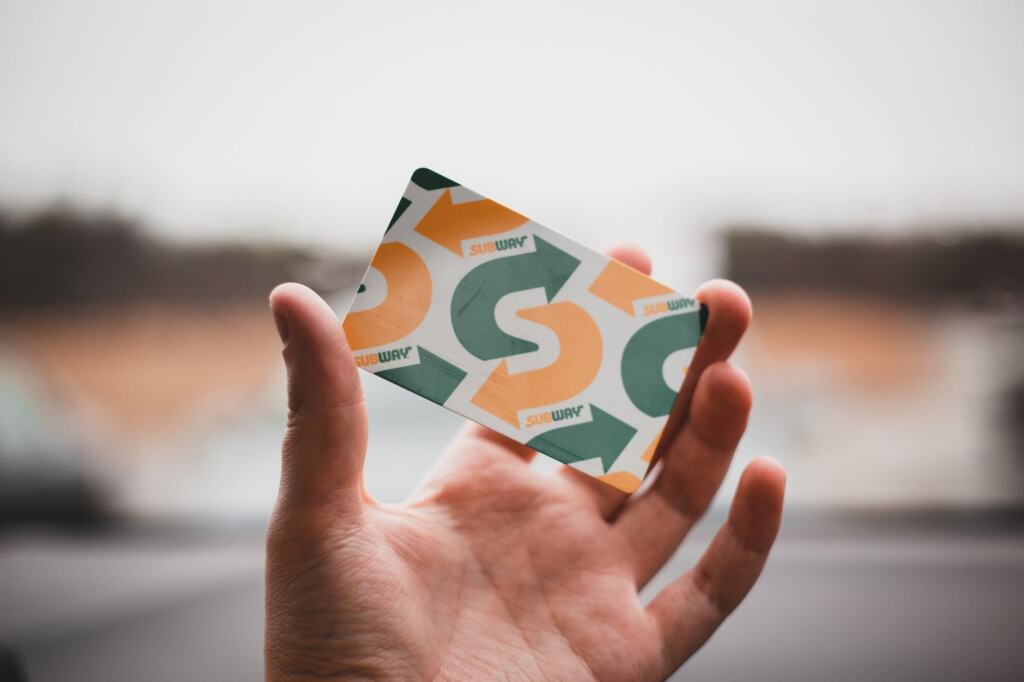
Prepaid vouchers are a common reseller product because the value is fixed at purchase. They suit short trips and small data needs, where tying up a recurring subscription is unnecessary. Check that the voucher works with your specific service and region before paying, since a voucher bought for the wrong service cannot be assumed refundable.
Symptom: a processor shows a payment screen
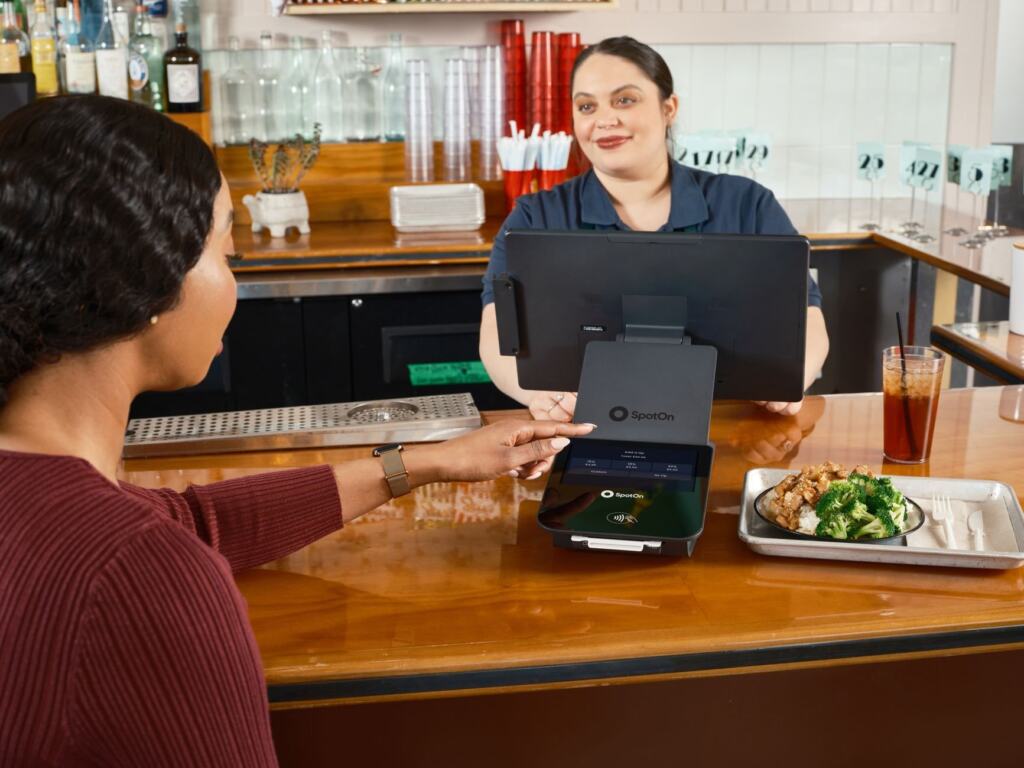
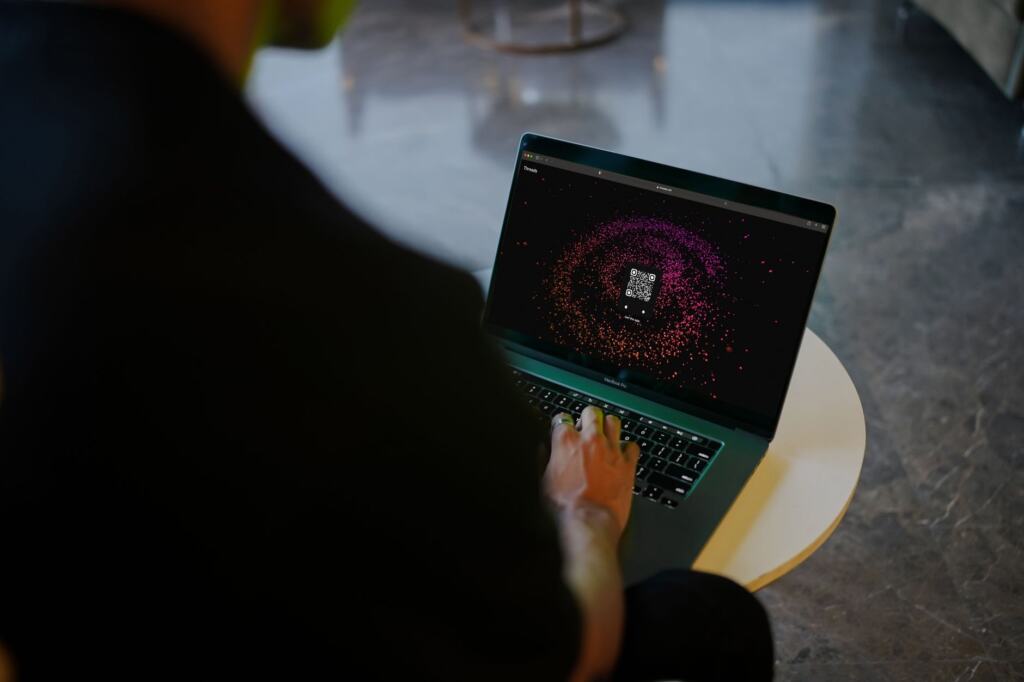
A processor sits between your wallet and the merchant and normally shows an amount, an address or invoice, and often a QR code. Pay exactly what the screen asks, from the right kind of wallet, and keep the order reference. The sections below explain how to tell the payment types apart.
Reading the payment request: Lightning or on-chain
The format of the request tells you which wallet to use. Kwiq’s explainer says a Bitcoin Lightning invoice normally starts with lnbc, while an on-chain Bitcoin address starts with 1, 3 or bc1. Sending to the wrong kind will not work, and a Lightning invoice can be paid only from a Lightning wallet.
Symptom: the invoice starts with lnbc
Pay it from a Lightning wallet. Kwiq says most Lightning payments never touch the blockchain directly and usually settle in seconds, with fees often a few sats. A sat is one hundred-millionth of a bitcoin, so the fee is tiny compared with the order total. This is the better route for small purchases and for a top-up you need active quickly.
Symptom: the address starts with 1, 3 or bc1
Send a standard on-chain payment. Blocks arrive about every ten minutes on average, so expect a wait and do not resend because the first attempt looks slow. This route suits larger, planned purchases, such as an annual plan, where a short delay costs nothing.
Symptom: a large Lightning payment fails
Large payments can fail because a route needs enough capacity in every channel along the way. If a retry fails, ask the merchant for an on-chain address instead of forcing repeated attempts. Opening or closing your own channel is a normal on-chain transaction and costs normal Bitcoin network fees, so a channel is not worth opening for a single purchase.
Choosing a Lightning wallet
The easiest Lightning wallets are custodial: a company holds the bitcoin and handles channels for the user. That is convenient for a one-off top-up, but the company controls the funds until they are spent. Keep only the amount you plan to spend there.
Self-custody and the online requirement
Many self-custody mobile Lightning wallets have to be online to receive a payment. For paying a satellite bill this matters less, since you are sending. It matters more if you expect a refund or incoming payment to a wallet on a device that is often offline.
Bitcoin apps adding Lightning
Some Bitcoin savings apps now include Lightning. Relai announced Lightning in beta, requiring app version 2.8.1, and said it lets users swap a portion of their savings into a spendable balance. It uses Blockstream’s Core Lightning implementation and the Breez SDK, as stated on Relai’s announcement. A beta feature suits small amounts while it matures, not your whole balance.
Sending Bitcoin over a satellite phone connection
A Bitcoin payment is a wallet action, so what matters is whether the wallet can reach the network and, for Lightning, stay online. Prefer a Lightning invoice for a small payment, because it usually settles in seconds. An on-chain payment still needs a confirmation window of about ten minutes per block, which is an awkward fit for an intermittent link.
Symptom: the connection drops mid-payment
Do not pay the same request twice. Wait for the wallet to show the outcome, then confirm with the merchant using the order reference before retrying. For a recurring bill, pay while on a stable link and keep the satellite phone for messaging and emergencies rather than for wallet work.
Readers weighing hardware for crypto activity beyond payments can see how bitcoin mining over satellite internet behaves on the same type of link.
Fees and risks of paying through a third party
Every intermediary adds a cost or a point of failure. A reseller or processor may charge a conversion margin, a custodial Lightning wallet holds your bitcoin, and on-chain payments carry normal network fees. Compare the total you will pay in crypto against the conventional price before choosing.
- Custody risk: custodial wallets hold the bitcoin and manage channels for the user, so use them only for small, short-lived balances.
- Routing risk: large Lightning payments can fail when channel capacity is short, which leaves the order unpaid.
- Delay risk: on-chain payments wait for blocks, which arrive about every ten minutes on average.
- Intermediary risk: the Spacecoin report stresses payments without going through other service providers, which is the opposite of a reseller chain and shows what a third party adds.
Network-level exposure on a satellite link is a separate matter, covered under satellite blockchain security risks.
Frequently asked questions
| Question | Answer |
|---|---|
| Can you pay for satellite internet with crypto? | Yes on some routes: crypto-native networks such as the one Creditcoin describes, or a reseller that converts crypto. Established dish subscriptions depend on what their billing page lists. |
| Does Starlink accept Bitcoin directly? | Check the payment methods on the Starlink account page. A Lightning invoice or on-chain address would only appear there if Starlink issued one. |
| What is a sat? | A sat, or satoshi, is one hundred-millionth of a bitcoin, and Lightning fees are often a few sats. |
| Which is faster, Lightning or an on-chain payment? | Lightning usually settles in seconds. On-chain transfers must wait for the next block, and new blocks are generally mined roughly ten minutes apart. |