Why broadcast bitcoin from space? Because a satellite can deliver Bitcoin’s blockchain data to a receiver where internet access is missing or blocked. It adds a second route to the network and does not replace an internet connection.
This explainer covers the motivation and trade-offs rather than the setup. The wider topic sits in our crypto satellite guide.
The connectivity gap behind the idea
A full node stays current only while it keeps receiving new blockchain data. Where a dependable connection is missing, that data stops arriving and the node falls behind. Satellite broadcast is aimed at that problem: David Veksler describes it as addressing the challenge of maintaining node synchronization in areas with limited internet connectivity.

The International Telecommunication Union (ITU) estimates that approximately 6 billion people, or 74 per cent of the world’s population, use the internet in 2025, and it says 2.2 billion people remain offline. Between 2020 and 2025, internet use rose from 60 per cent to 74 per cent, with 1.3 billion people estimated to have come online.
| Measure | ITU figure | What it means for satellite broadcast |
|---|---|---|
| Share of world population using the internet, 2025 | 74 per cent (approximately 6 billion people) | Most people are connected, so broadcast is a niche tool rather than a mass-market one. |
| Share using the internet, 2020 | 60 per cent | Access grew over the period, but more use says nothing about how reliable or open a given connection is. |
| People who came online between 2020 and 2025 | 1.3 billion (estimated) | The share of people offline has been falling, not standing still. |
| People still offline, 2025 | 2.2 billion | This is the group a receiver could serve without any local network. |
These figures come from the ITU statistics portal, whose headline figures here are global totals.
Global totals describe people, not places. The 2.2 billion figure tells you how large the offline group is, not which towns or countries it lives in. A reader deciding whether satellite delivery is relevant should therefore think about their own location and connection history rather than the global average. For someone in a well-connected city, the table is a reminder that constant access is not universal.

The next question is how data from orbit reaches a receiver, and what that route can and cannot do.

How blocks reach receivers from orbit
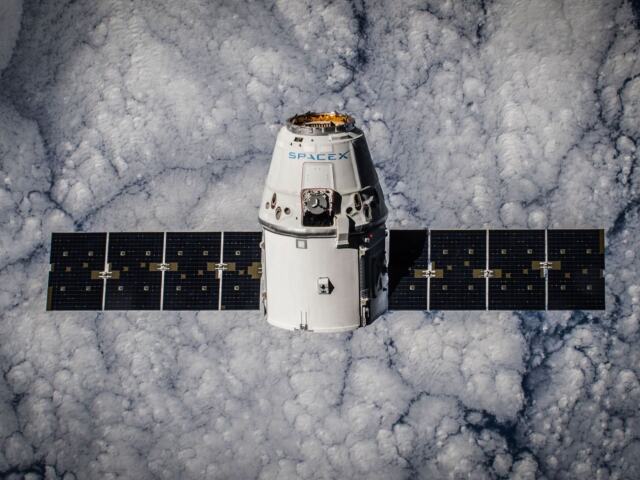
Blockstream Satellite operates six geostationary satellites that continuously transmit Bitcoin’s blockchain globally, according to David Veksler’s overview of space technology applications. Blockstream’s help centre defines broadcasting a transaction as propagating a signed Bitcoin transaction across the peer-to-peer network. The satellite adds a second path for that data that does not run through a local internet provider.
The sequence from network to receiver
- Data originates on the network. Signed transactions and blocks spread between Bitcoin nodes in the normal way.
- The data goes up to orbit. Veksler notes that Bitcoin transactions are relatively small data packets that can be efficiently distributed worldwide via satellite uplink.
- Satellites transmit it back down. The six geostationary satellites send the blockchain out continuously, and the transmission is described as global.
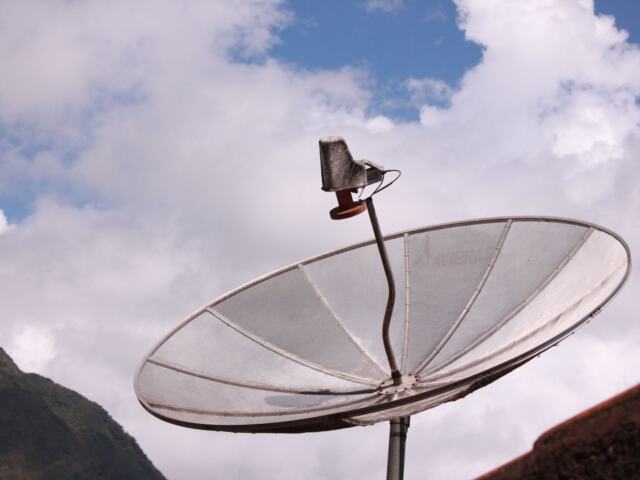
- A receiver feeds a node. goTenna’s account of its collaboration with Blockstream says the satellites are built to allow download of full Bitcoin nodes without the need for internet.

The practical result is that a full node can stay in step with the blockchain from a place where wired and mobile networks are thin or absent. That matters most when the alternative is a node that cannot synchronise at all. Global transmission is the starting point, but confirm current receiving coverage for your own location with the provider before committing to equipment.
Censorship resistance and internet shutdowns
Blockstream’s help page ties reliable propagation to censorship resistance: it says reliable propagation supports everyday use while upholding network security and censorship resistance. The same page describes a decentralised relay that ensures no single point of failure, in contrast with centralised systems.
Satellite delivery gives a receiver a route that does not pass through its local provider. That is the core of the censorship argument, though it concerns the path the data takes, not a guarantee of what any government or provider will do.
goTenna names the scenarios directly: a local provider that is censoring you, or a connection that is down for some reason. The two causes differ, but a node operator ends up in the same position in either case, because new blocks stop arriving. The same practical problem arises when the limit is imposed rather than geographic.
Where the argument is strongest
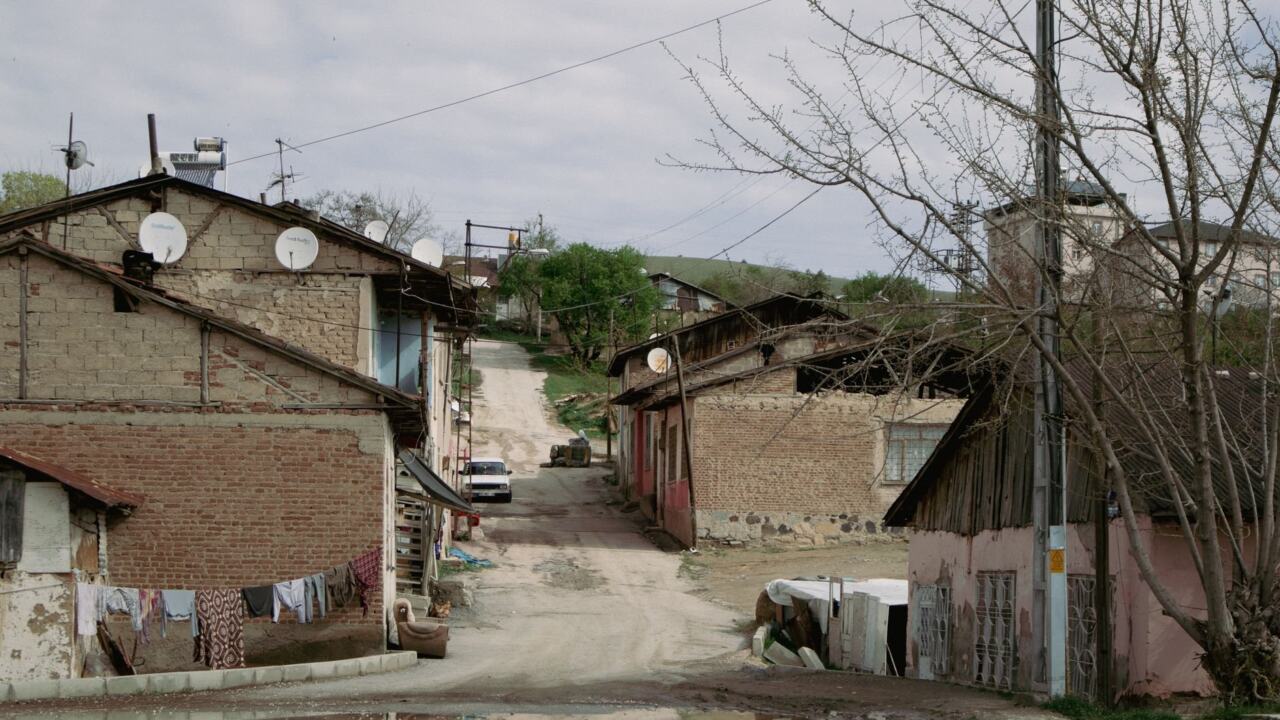
- Places without infrastructure. Where no dependable line exists, a receiver is the practical way to keep a full node current.
- Places where access is restricted. If a provider filters or cuts traffic, an orbital feed does not pass through that provider on its way to the node.
- Anyone who wants a second path. Blockstream describes its relay design as having no single point of failure. A receiver gives a node a route that is separate from a local line, which is the redundancy argument in practical form.
For people with stable, open broadband, the benefit is mostly resilience rather than necessity. If you want to see what running the receiving side involves, the bitcoin satellite node software guide covers it.
Limits of one-way broadcast
A broadcast carries data down to receivers, so it does not give you a two-way connection. That is the central trade-off. You gain a node that keeps up with the blockchain, but you cannot rely on the same link to send anything back or to reach other services.
Sending a transaction is a separate problem from receiving blocks, and it needs its own route. The companion guide on how to send bitcoin without internet explains the outbound side. Treat the satellite feed as one half of an offline workflow rather than the whole of it.
Who this suits: someone who needs a node that keeps up with the chain where connectivity is weak, filtered or unreliable, and who accepts data flowing in one direction. It suits less well someone whose main need is to send transactions from a place with no connection at all. That person needs the outbound route, and the feed alone does not provide it. Confirm coverage at your location before you wait on the feed for anything time-sensitive.
Distance is a limit only for mining
Veksler’s overview sets a distance ceiling for mining: 5 light minutes from Earth, assuming no protocol changes. Blocks arrive about every 10 minutes. That ceiling decides whether a miner can take part at all, so it is the first thing to check if mining is the goal.
For an ordinary receiver following the chain, the ceiling does not enter the decision. Following the chain and producing blocks are different goals, and the satellite feed serves the first. If you are considering mining, do not assume a satellite feed makes it workable, because the distance constraint is the deciding factor.
Frequently asked questions
Does satellite broadcast replace an internet connection?
No. The receiver gets Bitcoin’s blockchain data, and goTenna and Blockstream describe it as a way to download a full node without internet. It does not provide general internet access for other services.
Which regions lack reliable internet access?
The ITU’s headline figure is global: 2.2 billion people remain offline in 2025. It does not name specific regions, so check current measures on the ITU statistics pages for your country.